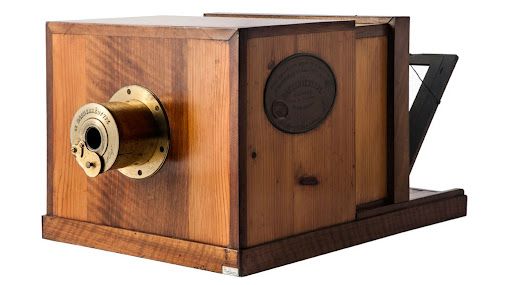
When photography hit in 1839, portrait painters panicked. seriously panicked.
Their core skill, rendering faces accurately, suddenly got automated. cheaper. faster. studios emptied. Many painters just… left the profession.
But the ones who didn't ask "how do I compete?" asked something different: "What can painting do that photography can't?"
That question created impressionism. monet, cézanne, van gogh. entire movements born from asking the right question instead of running from the threat.
Here's what happened next:
- painters who tried to undercut photography on price? lost.
- painters who pivoted to photography itself? survived but abandoned their craft.
- painters who asked "what's painting actually for?" They didn't just survive. They invented modern art.
It took 30 years to stabilize. sounds familiar?
because right now, design as a discipline is at the same crossroads:
Some designers are leaving the field entirely. Some are shifting into adjacent roles, strategy, product management, research. not shameful, just different paths.
Some are trying to beat AI at AI's game. rendering mockups faster. building design systems quicker. Competing on AI's terms. That won't work.
But some are asking the real question:
"What can design as a discipline actually do that AI can't?"
And the answer isn't interface rendering. it's:
- understanding messy human problems and reframing them
- facilitating conversations that challenge assumptions
- making judgment calls that require taste, context, and values
- saying "we shouldn't build this" when needed
- translating between what business needs and what humans actually need
Photography didn't kill painting. It freed it.
AI won't kill design. It will force design to become what it actually should be: strategic, deeply human-centered, opinionated.
The painters who thrived didn't do it by changing what they called themselves. They did it by expanding what their discipline meant.
Design isn't "making things look good." Never was. It's the discipline of solving human problems through thoughtful, intentional choices.
AI can execute those choices faster. But it can't make them.
The survivors aren't the ones with better job titles.
The survivors (thrivers) are the ones who expanded the discipline. who ask better questions. who make design mean more.